
Gifts of gold
by Jonathan Shipley

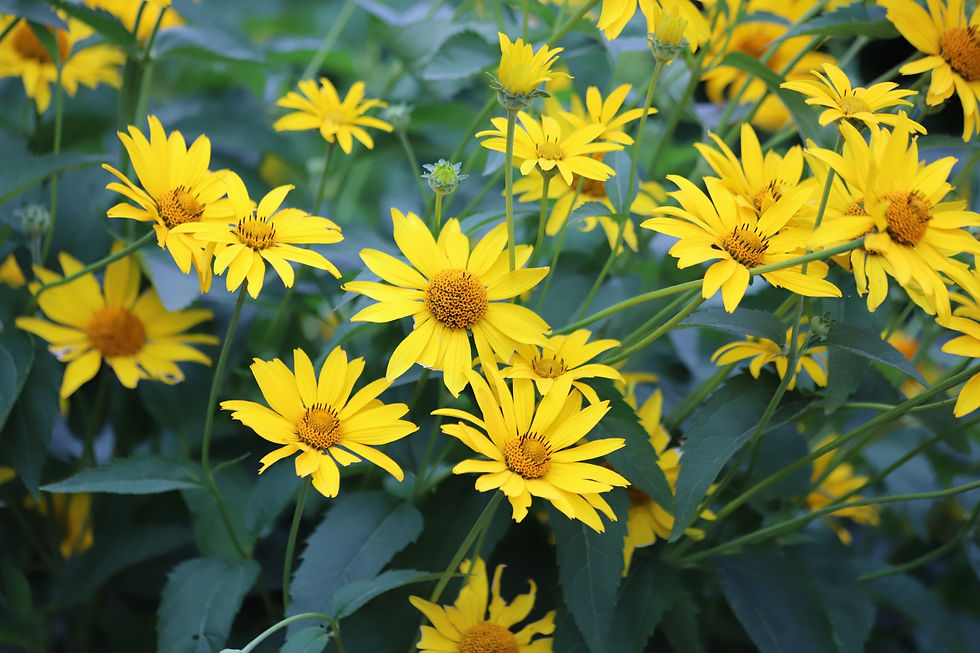
The prairies, laden heavy with golden flowers, are bending to time. The summer, weighted with golden light, is dimming some for the coming autumn. The air, thick with thunderstorm, is whispering something about fall.
Cherokee Marsh is transitioning again (always, always), and I walk through the shafts of golden blossoms and sunlight thinking about my kid, off to college in a few short days, leaving us all in a daze.
The sunflower, indigenous to the Americas, has been an important part of Native American life for thousands of years. Some warriors carried dried sunflower cakes into battle for courage. Some sprinkled sunflower powder over themselves to maintain strength and bravery.
My daughter has gone through so much. There’s no finer warrior; no stronger spirit. However dark the night, she is a star.
The marsh is starred with so many flowers. The blooms reach for the sky. The blooms are eager for life, willing to bend over backward to achieve it.
My daughter is gold-laden.
I worry, of course. My wife and I want the best for her, of course. Did we do enough for her? Did we provide all we could for her? The mistakes we made, did they come from a place of love?

Sunflowers were seen as a sacred gift of life.
We gave her what we could. We give her what we can. But she is the gift. Her life, a gift to us; all of us, collectively. The world. Every child is a gift to the world.
The marsh is starred with so many flowers.
She’s not going far. Just to Milwaukee. But, no, that’s not fair. Those statements are limiting. She’s going far. It’s limitless. We want the best for her; better than we ever got. Is that not the goal of every parent, to see that their child is better off than they were? That they are better people? Good citizens? Good humans? Loving spirits?

She’s off in a few days to find herself in places where she can find herself. You don’t have to go far for that. I’m walking Cherokee Marsh right near the golf course. Goldfinches are my neighbors. You don’t have to go far. Just as far as what’s beating in your chest.
She’ll be in Milwaukee studying for her science classes in the library; eating ramen with new friends at a hole-in-the-wall; walking along Lake Michigan at sunset; visiting coffee shops; dancing joyously in scuzzy music venues; going to movies, lectures, custard shops, gardens, clinics, grocery stores, basketball games, poetry readings, gas stations, bookstores, thrift shops, dental offices; lazing on a communal futon with all the dreams and hopes and goals and fears and pasts and futures. She’ll be a human, in other words. She’ll be a good human. A loving spirit.
Tribes like the Hopi associated sunflowers with spiritual direction and constancy. Some thought them guardian figures.
I suppose, then, make me a sunflower for my daughter. Let me bend in gold, illuminating the path she alone will take.
gifts of gold September 2026


Comments